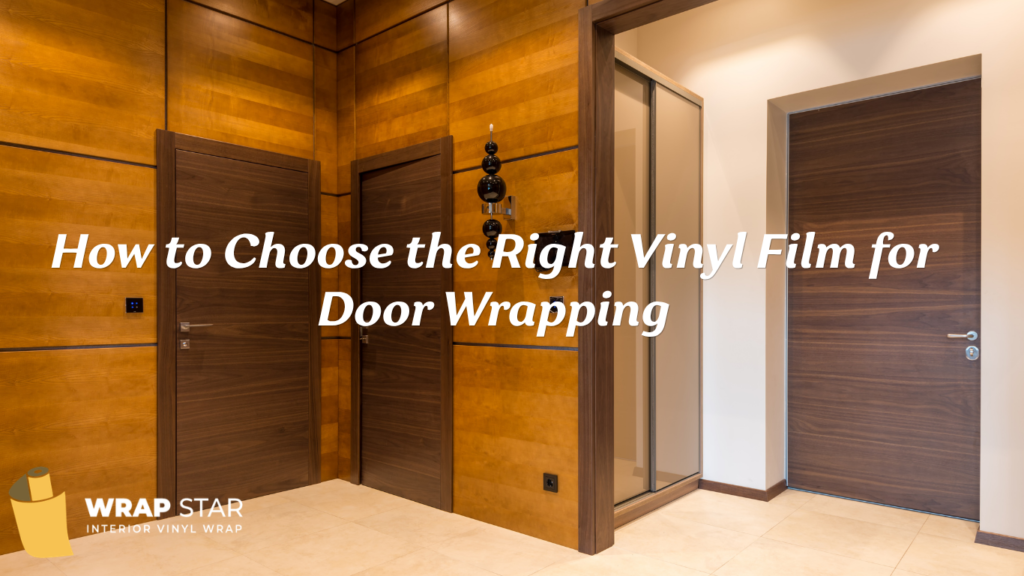
How to Choose the Right Vinyl Film for Door Wrapping
Door wrapping has become one of the most popular ways to refresh interior doors, cabinets, and furniture without the cost, mess, or downtime of full replacement. But the outcome of your wrap, how it looks, how long it lasts, and how well it holds up day to day depends almost entirely on one decision: which vinyl film you choose.
With dozens of finishes, textures, and material grades on the market, picking the right vinyl film can feel overwhelming. This guide breaks down everything you need to know to choose a vinyl door wrapping that matches your style, budget, and durability needs.
1. Understand the Different Types of Vinyl Film
Not all vinyl films are created equal. Before choosing a finish or color, it helps to understand the main categories available for door wrapping:
- PVC Vinyl Film The most common choice for door wrapping. Durable, flexible, and available in an enormous range of colors and textures, making it ideal for both flat and slightly contoured door surfaces.
- PET Vinyl Film Known for excellent gloss retention and scratch resistance, often used for high-shine, modern finishes.
- Cast Vinyl Film A premium-grade option that conforms well to curves and edges, offering a longer lifespan and smoother finish, often used in higher-end residential projects.
- Calendared Vinyl Film A more budget-friendly option, best suited for flat surfaces and shorter-term applications.
Choosing the right base material sets the foundation for how your finished doors will look and perform over time.
2. Choose a Finish That Matches Your Interior Style
The finish of your vinyl film has the biggest visual impact on the final result. Common finish options include:
- Matte A soft, non-reflective finish that’s currently trending for modern and minimalist interiors. It hides fingerprints and light scratches well, making it a popular choice for high-traffic doors.
- Glossy A sleek, reflective finish that adds a bold, contemporary look. Glossy finishes make a strong style statement but can show fingerprints and dust more easily.
- Wood Grain Designed to replicate the look and texture of real wood, wood grain vinyl wraps are a favorite for homeowners who want a natural aesthetic without the cost or maintenance of solid wood doors.
- Textured / Embossed Adds a tactile, dimensional feel that closely mimics real materials like leather, stone, or brushed metal.
Tip: Matte and wood grain finishes tend to be more forgiving for busy households, while glossy finishes suit lower-traffic or statement doors like entryways and feature walls.
3. Consider Durability and Where the Door Is Located
Not every door experiences the same wear and tear, so durability should factor heavily into your vinyl film choice:
- High-traffic doors (entryways, hallways, kids’ rooms) benefit from thicker, cast vinyl films with strong scratch and impact resistance.
- Kitchen and bathroom doors are exposed to moisture and temperature changes, so look for films specifically rated for humidity resistance and easy cleaning.
- Low-traffic or decorative doors (closets, accent doors) have more flexibility, allowing you to prioritize aesthetics like bold colors or intricate textures over heavy-duty durability.
Choosing a film rated for the right environment helps avoid premature peeling, discoloration, or bubbling common issues when the wrong grade of vinyl is used in the wrong setting.
4. Think About Color Psychology and Long-Term Appeal
Vinyl film comes in an almost limitless range of colors, but it’s worth thinking beyond current trends. Ask yourself:
- Will this color still feel fresh in 5–10 years, or is it a passing trend?
- Does it complement your existing flooring, wall color, and furniture?
- Are you wrapping a single accent door, or coordinating multiple doors throughout the home?
Neutral tones (whites, greys, wood tones) tend to offer the longest visual lifespan, while bold colors work well for accent doors or spaces where you want a striking focal point.
5. Factor in Installation Quality Not Just the Film Itself
Even the best vinyl film can look poor if it’s installed incorrectly. Professional vinyl wrap installation ensures:
- Bubble-free, seamless application
- Properly trimmed edges around hinges, handles, and frames
- Correct heat-application techniques for textured or wood grain films (which often require precise heat-gun work to mold around contours)
- Long-term adhesion, reducing the risk of peeling or lifting over time
DIY door wrapping kits exist, but achieving a professional, long-lasting finish typically requires experience with film handling, surface prep, and application technique especially for textured or cast vinyl films.
6. Compare Cost vs. Longevity
Vinyl film pricing varies based on material grade, finish, and brand but it’s important to weigh upfront cost against expected lifespan:
Film Type | Typical Lifespan | Best For |
Calendared Vinyl | 2–4 years | Budget projects, low-traffic doors |
PVC Vinyl | 5–7 years | Most residential doors |
Cast Vinyl | 7–10+ years | High-traffic doors, premium finishes |
A slightly higher upfront investment in cast or premium PVC vinyl often pays off in fewer replacements and a longer-lasting finish overall.
7. Ask for Samples Before Committing
Colors and textures can look different under various lighting conditions. Before finalizing your choice, request physical samples to see how the film looks against your actual doors, lighting, and surrounding decor, not just on a screen or brochure.
Most reputable wrapping providers offer sample swatches or small test pieces so you can compare finishes side by side in your own space.
Final Thoughts
The right vinyl film comes down to balancing style, durability, and budget for your specific space. Matte and wood grain finishes offer timeless, low-maintenance appeal, while glossy and textured films make a bolder design statement. Whatever direction you choose, pairing quality film with professional installation is what ultimately determines how good and how long-lasting your finished doors will look.