When most people think about renovating a home, one of the first things that pops into their mind is flooring. Flooring instantly transforms the look and feel of a space, making it one of the most important decisions in any renovation. Vinyl flooring has become a top choice because it is stylish, durable, and easy to maintain, offering the look of wood or stone without the high cost or heavy care.
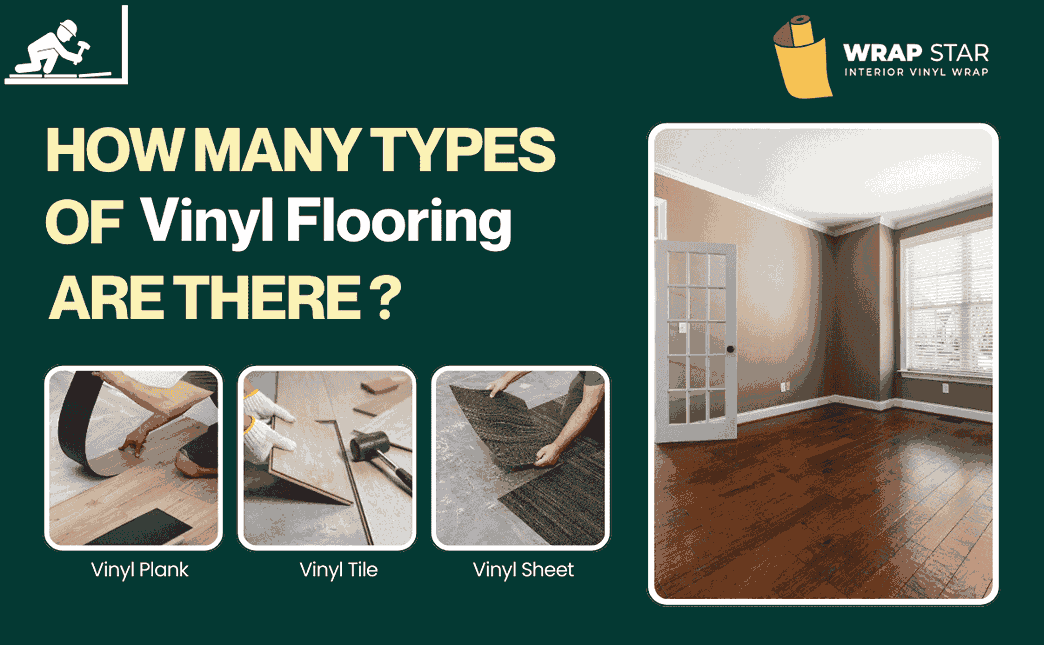
In this article, we’ll discuss the main types of vinyl flooring: sheet vinyl, luxury vinyl tile (LVT), and luxury vinyl plank (LVP), and show you how to pick the best option based on your space’s unique requirements, like room size, foot traffic, and moisture levels. By understanding these key points, you can make a smart flooring choice that fits your style, budget, and lifestyle
What Is Vinyl Flooring?
Vinyl flooring is a type of floor covering sheet made from synthetic materials. It comes in sheets, tiles, or planks. Vinyl flooring sheets can look like wood, stone, or ceramic, but it costs less and is easier to install. It is also water-resistant, making it perfect for kitchens, bathrooms, and even basements.
Advantages of Vinyl Flooring:
- Waterproof and Water Resistant: This is its superpower. Vinyl, especially sheet vinyl, is not affected by water. Spills will not ruin it, making it perfect for leak-prone areas.
- Durable and Long-Lasting: Vinyl is made to handle busy homes. It resists scratches, dents, and pet, kid, and furniture stains.
- Comfortable and Quiet: Walking on vinyl is softer and warmer than walking on tile or stone. It also absorbs sound, making your home quieter.
- Easy to Clean: You do not need special chemicals. Most of the time, just sweeping and occasional mopping with a mild cleaner is all it takes.
- Easy to Install: Many types of vinyl flooring now have a “click lock” system. This means the pieces snap together like a puzzle without the need for strong glue. This makes it a great do-it-yourself project.
- Cost Friendly: Vinyl gives you the look of expensive materials for a price that is much easier on your wallet
The Main Types of Vinyl Flooring
Now that you know why vinyl is such a popular choice, the next step is figuring out which type works best for your space. Each type has its own look, feel, and benefits, and picking the right one can make a big difference in both style and durability. Let’s take a closer look at the main options so you can choose the right vinyl flooring for your home or office.
1. Luxury Vinyl Plank (LVP) Flooring :
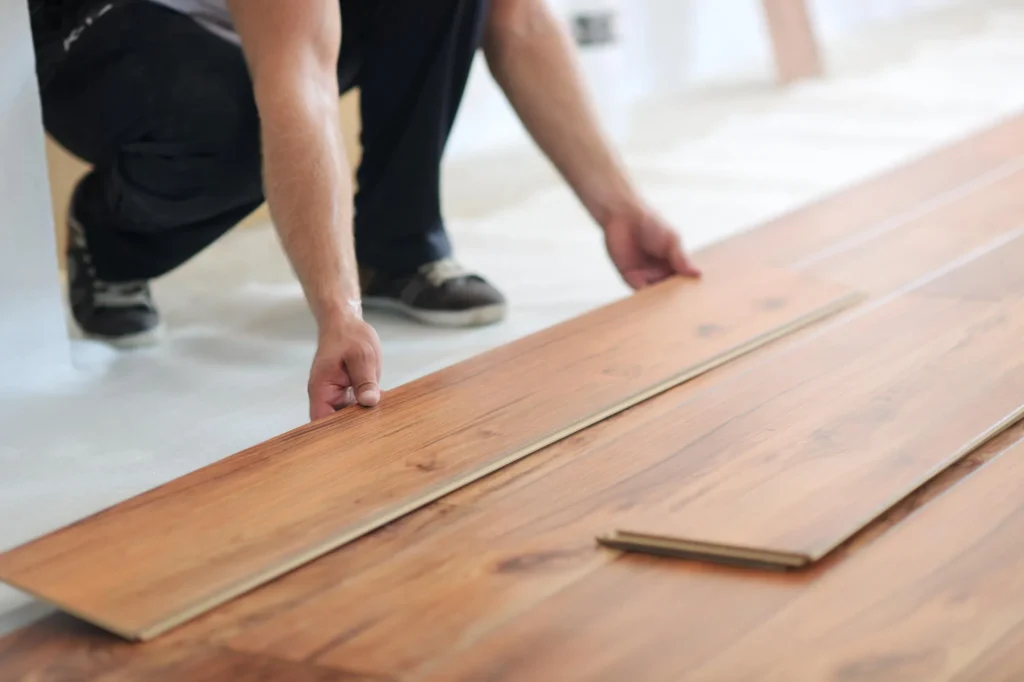
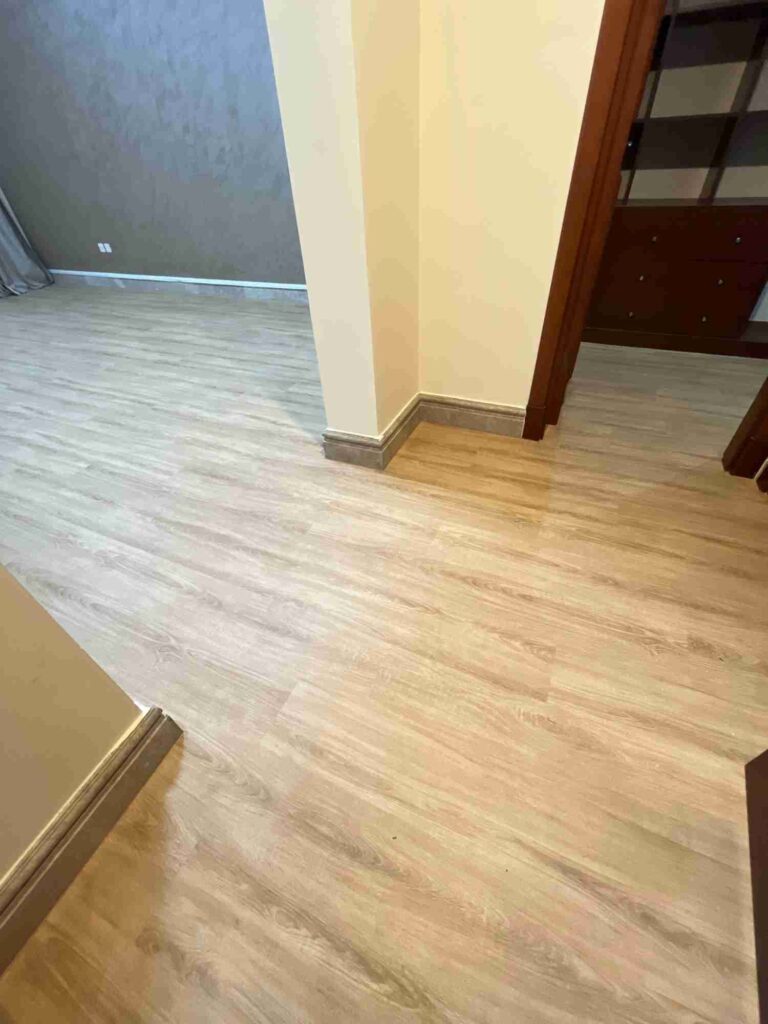
Luxury vinyl planks, often called LVP, are long and narrow flooring pieces designed to replicate the look of real hardwood. They come in a wide range of colors, textures, and grain patterns, so you can find styles that look very close to natural wood, from light oak tones to grey and whitewashed finishes.What makes LVP practical is its layered construction. Most planks are made with a PVC core that gives the flooring strength and stability. On top of that sits the design layer, which creates the realistic wood appearance. A protective wear layer is added above it to help prevent scratches, stains, and everyday wear. Some planks also include a backing layer that adds support and comfort underfoot.Why Many People Choose LVP
Many homeowners and designers choose LVP because it combines the appearance of wood with the practicality of vinyl. The material is thicker and more rigid than traditional sheet vinyl, which makes it more durable and resistant to scratches.This durability makes it a good option for busy households, especially where there are kids or pets. Another advantage is that LVP can often be installed over existing floors, which can save time during renovations. With proper care, vinyl plank flooring can last 10 years or more, making it a long-term flooring option.
One of the reasons LVP is so versatile is the different installation methods available. Many planks come with a tongue-and-groove system that allows them to click together and float over the subfloor. This Vinyl Plank Flooring installation is relatively simple and can create a surface that handles moisture well.Another option is glue-down installation, where the planks are attached directly to the floor. This method helps keep the flooring firmly in place and can provide extra stability in larger spaces or areas with heavy foot traffic.
Because of its durability and moisture resistance, LVP works well in many different areas. It’s commonly used in living rooms, bedrooms, kitchens, bathrooms, and basements, where spills or humidity can be a concern.Its strength and realistic appearance also make it suitable for commercial spaces, such as offices or retail environments. This flexibility is one of the main reasons luxury vinyl planks continue to be a popular flooring choice. 2. Luxury vinyl tile (LVT) Flooring :
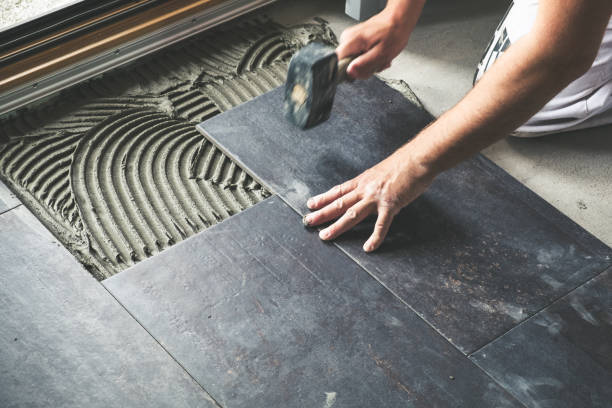
Luxury vinyl tile, usually called LVT, is designed to replicate the look of natural materials like stone, ceramic, or porcelain tiles. Instead of long planks like LVP, this flooring comes in tile-shaped pieces, which makes it a good option if you prefer the classic appearance of tiled floors.LVT is built with several layers that work together to improve durability and performance. A strong vinyl base provides stability, while the design layer creates realistic stone or tile visuals. On top of that, a protective wear layer helps protect the surface from scratches, stains, and everyday wear. Because of this layered construction, LVT tends to feel more solid and durable than traditional sheet vinyl.Design Options and Patterns
One thing that makes LVT stand out is the variety of design possibilities it offers. Since the flooring comes in tile format, you can arrange it in different layouts to match the style of your space. Some people prefer a simple grid pattern, while others use layouts that mimic traditional ceramic tile installations.You’ll also find a wide range of finishes, from marble and slate looks to modern stone textures. This makes LVT a good choice if you want the appearance of natural tile but prefer a flooring option that is easier to maintain.Installation and Maintenance
Compared with traditional tile flooring, LVT installation is generally simpler and faster. Many products are available in floating or glue-down formats, and some versions even come with self-adhesive backing. Because it doesn’t require grout lines like ceramic or stone tiles, the installation process is usually less labor-intensive.Maintenance is also straightforward. Regular sweeping and occasional cleaning with a vinyl-safe floor cleaner are usually enough to keep the surface looking fresh. Without grout lines to maintain, cleaning tends to be quicker than with traditional tiled floors.
Its water-resistant surface and durable build make LVT a practical choice if you’re planning to install flooring in areas where spills or moisture are common. You’ll often see it used in places like kitchens, bathrooms, basements, laundry rooms, and entryways, where floors need to handle daily use and occasional messes.It also performs well in spaces with regular foot traffic, so you can use it in both residential settings and light commercial areas. With so many tile designs and layout options available, you can easily choose a style that fits your interior and makes the space look more polished. 3. Vinyl Sheet Flooring :
Sheet vinyl is one of the longest-standing vinyl flooring options, and many people still choose it because it’s affordable and naturally water-resistant. Instead of coming in planks or tiles, this flooring is made as a single continuous sheet of vinyl that is usually sold in large rolls.Because the material comes in wide sheets, it creates a smooth, uniform surface with very few seams. If you prefer a clean look without the lines you normally see between planks or tiles, sheet vinyl can be a good option to consider.
Older versions of sheet vinyl were fairly basic, but modern manufacturing has improved its appearance a lot. Today, you’ll find designs that replicate wood, marble, and stone patterns, allowing you to achieve those looks without spending as much as you would on natural materials.There are also plenty of colors, textures, and patterns available, so it’s easier to match the flooring with your interior style. And since sheet vinyl is relatively affordable, replacing it later, if your design preferences or trends change, is usually simpler compared to more expensive flooring options.Installation Considerations
Installing sheet vinyl is different from installing planks or tiles. Because it comes in large pieces, the subfloor needs to be smooth and stable to prevent bumps or uneven areas from showing through the surface.The installation process is fairly quick, but it often works best when handled by professionals. Proper installation helps minimize visible seams and ensures the sheet lays flat across the floor.Where Sheet Vinyl Works Best
Sheet vinyl is also easy to clean and maintain. Spills and everyday messes can usually be wiped away quickly, which makes it a practical option for spaces where floors see a lot of activity.You’ll often find it used in areas like basements, playrooms, craft rooms, and utility spaces, where durability, moisture resistance, and easy cleaning are important. For anyone looking for a budget-friendly flooring option with a seamless look, sheet vinyl is still a reliable choice. How to Choose the Right Vinyl Flooring for Your Home
- With so many vinyl flooring options available, choosing the right one can feel a bit overwhelming. A simple way to narrow it down is to think about where you plan to install the flooring, how the space is used, and what fits your budget. Here are a few things to consider.
1. Think About the Room
Different rooms have different flooring needs, so start by looking at where the floor will be installed.- Bathroom or laundry room: These areas deal with a lot of moisture, so flooring like sheet vinyl or lvt can be a practical choice because they provide strong water resistance.
- Kitchen: Kitchens see frequent spills and daily activity. Options like LVP, or sheet vinyl work well here because they are durable and easy to clean.
- Living room or bedroom: In these spaces, comfort and style usually matter more. LVP is a popular option because it gives you the warm appearance of wood while still being easy to maintain.
2. Consider Your Household
The people living in your home can also influence the type of flooring that works best.- Think about who lives in your home: Your daily routine and household activities can affect how well a floor holds up over time. If your home is busy with constant movement, it’s worth choosing a flooring type that can handle regular use.
- Homes with kids or pets: Floors in these homes often deal with scratches, spills, toys, and heavy foot traffic. Because of that, choosing a more durable vinyl option can help the floor stay in good condition for longer.
3. Set Your Budget
Your budget will also influence which vinyl flooring option makes the most sense for your space- Budget-Friendly Option: Sheet vinyl is usually one of the most affordable vinyl flooring choices. It still provides good water resistance and durability, which makes it a practical option for many areas of the home
Mid-Range Options: LVP and LVT are popular choices because they combine attractive designs with solid durability. They typically fall in the middle price range, making them a good option if you want quality flooring without stretching your budget too much
Do you want to install it yourself?
If yes, look for LVP or LVT with a Click-lock LVP installation. This is the easiest type for most people to install themselves. Glue-down floors and sheet vinyl are usually best left to professionals.
Quick Comparison of Popular Vinyl Flooring Types
To make things easier, here’s a quick side-by-side comparison of sheet vinyl, LVT, and LVP. It highlights the main differences so you can quickly see which option suits your needs.
| Feature | Sheet Vinyl Flooring | Vinyl Tile Flooring | Vinyl Plank Flooring |
| Appearance | Smooth sheet with patterns | Square tiles | Wood style planks |
| Water Resistance | Very high | High | High |
| Durability | Good | Good | Very good |
| Comfort | Soft | Medium | Medium soft |
| Installation | One large sheet | Tile by tile | Click lock planks |
| Best For | Bathrooms, kitchens | DIY areas, small rooms | Living rooms, bedrooms |
| Scratch Resistance | Medium | Medium | Good |
| Cost Level | Low | Low to medium | Medium |
| Maintenance | Very easy | Easy | Easy |
|
| Lifespan | Good | Good | Long |